




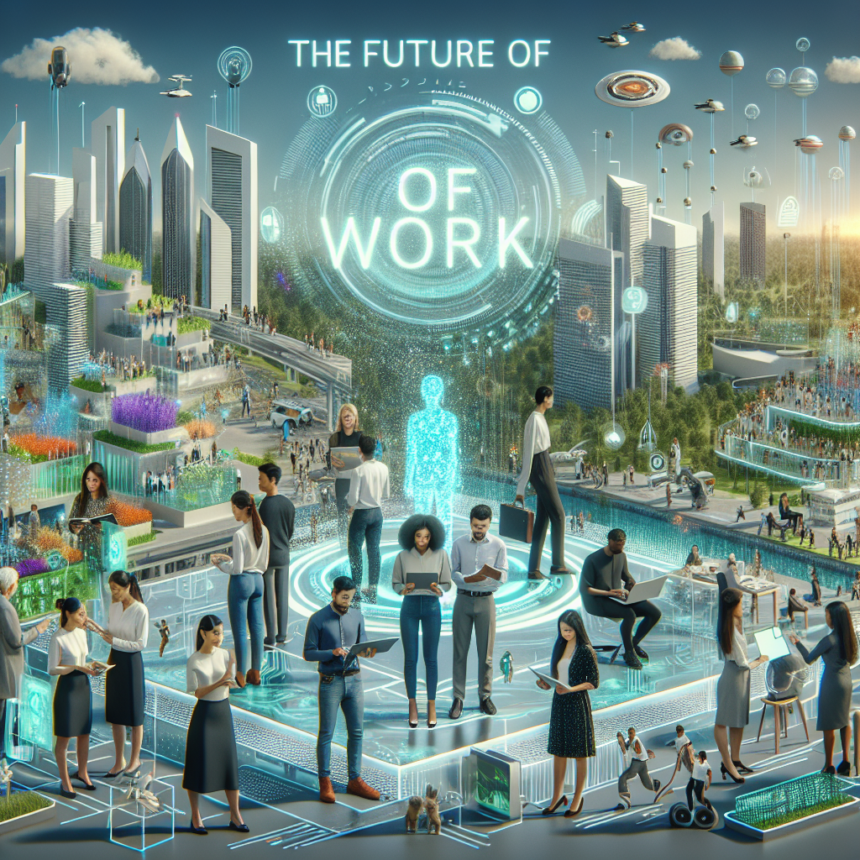
The Future of Work: Trends Impacting the Employment Market
As we enter a new era of work, several trends are shaping the employment landscape, driven by rapid technological advancements, demographic shifts, and changing societal expectations. Understanding these trends is crucial for both employers and employees as they navigate the dynamic job market.
1. Remote Work Revolution
The COVID-19 pandemic has accelerated the shift towards remote work, a trend that is likely to persist in the long term. Many companies have realized that remote working can enhance productivity, reduce overhead costs, and enable access to a broader talent pool. Tools such as Zoom, Microsoft Teams, and collaboration apps like Slack have made it easier for employees to work from anywhere. Companies are re-evaluating their office space needs and embracing flexible work environments, allowing employees to balance work and personal commitments more effectively.
2. Rise of the Gig Economy
The gig economy is transforming how work is perceived and executed. Freelancing, part-time, and project-based roles are becoming more mainstream, driven by platforms like Upwork, Fiverr, and TaskRabbit. This trend allows individuals to pursue work that aligns with their skills and interests while providing companies with flexible workforce solutions. However, this shift comes with challenges, such as job security and benefits, which are often lacking for gig workers. As this sector grows, there will be calls for protections and regulations to support gig workers better.
3. Emphasis on Soft Skills and Emotional Intelligence
As technology automates routine tasks, employers are placing increased value on soft skills such as emotional intelligence, communication, and adaptability. These skills are vital in a collaborative remote work environment and hybrid workplaces. Employees who can effectively work in teams, understand their colleagues’ perspectives, and navigate interpersonal dynamics will be better positioned for success. Educational institutions and corporate training programs are adapting their curricula to focus more on emotional intelligence and soft skills development.
4. Digital Transformation and Reskilling
In an increasingly digital world, continuous learning has become vital. Automation and artificial intelligence are changing job descriptions, leading to a demand for workers who can adapt to new technologies. Reskilling and upskilling initiatives are becoming a priority for employers. Companies are investing in training programs to equip their employees with the necessary skills for the future economy. Workers are also encouraged to take charge of their professional development through online courses, certifications, and other learning opportunities.
5. Diversity, Equity, and Inclusion (DEI) Initiatives
In recent years, there has been a growing recognition of the importance of diversity, equity, and inclusion in the workplace. Organizations are actively seeking to create inclusive environments where every employee feels valued and supported. This commitment to DEI not only enhances workplace culture but also drives innovation and business success. Companies are implementing DEI training programs, revising hiring practices, and striving to ensure representation across all levels of the organization.
6. The Role of Employee Well-Being
Employee well-being has gained significant attention, with a focus on mental health and work-life balance. Companies are offering resources such as mental health days, wellness programs, and flexible work arrangements to support their employees’ overall well-being. A healthy workforce is more productive and engaged, leading to lower turnover and higher job satisfaction rates.
7. Climate and Sustainability Considerations
As environmental concerns continue to rise, businesses are increasingly adopting sustainable practices. The demand for green jobs is on the rise, and employees are looking for companies that share their values regarding sustainability. Organizations are examining their carbon footprints, incorporating green technologies, and prioritizing sustainability in their operations, which aligns with the aspirations of the workforce.
Conclusion
The job market is evolving rapidly, shaped by remote work, the gig economy, rising skill demands, diversity, and an emphasis on employee well-being. As these trends continue to develop, both employees and employers must remain agile and adaptable. By embracing change and fostering a culture of continuous learning, organizations can position themselves for success in the future of work.
FAQs
Q1: How can I prepare for the future of work?
A: Emphasize lifelong learning, develop soft skills such as communication and adaptability, and stay updated on industry trends. Consider taking online courses to enhance your skills.
Q2: What are the most sought-after skills in the future job market?
A: Skills in technology (like data analysis and digital marketing), soft skills (like emotional intelligence and collaboration), and flexibility to adapt to change are highly valued.
Q3: How can companies support remote workers effectively?
A: Companies can provide necessary tools and resources, promote regular communication, encourage team-building activities, and prioritize employee well-being.
Q4: What role does diversity play in the workplace?
A: Diversity fosters innovation, creativity, and better decision-making. Companies that prioritize diversity tend to perform better on various metrics.
Q5: Will the gig economy replace traditional employment?
A: While the gig economy is growing, traditional employment is also likely to remain essential. Many workers may prefer the stability and benefits of full-time roles despite the flexibility of gig work.