




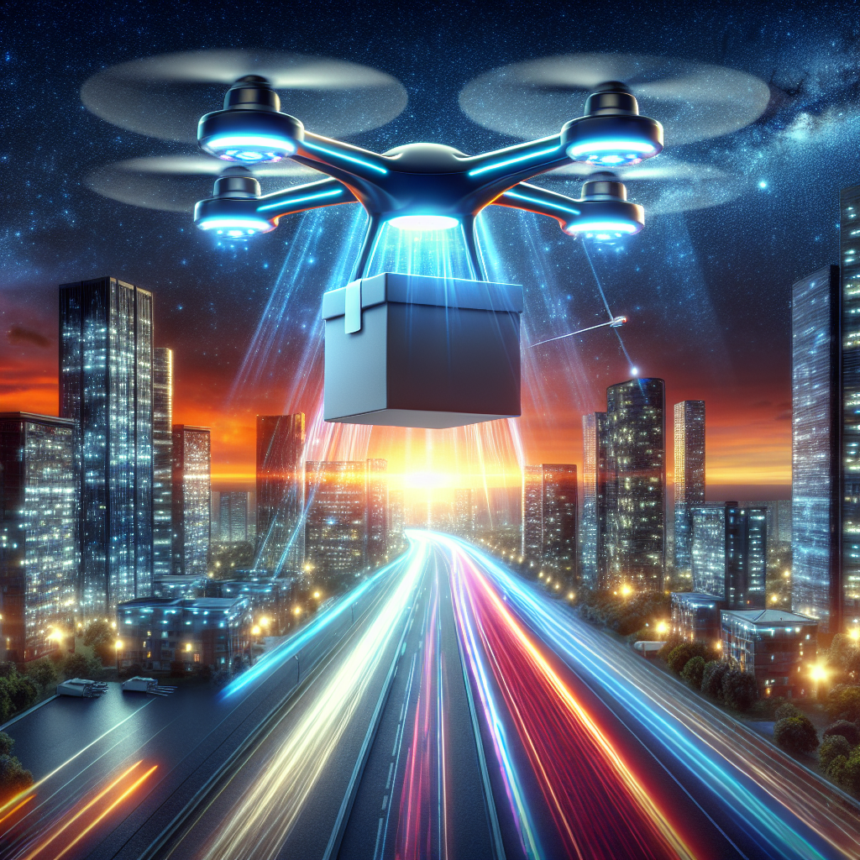
In recent years, the concept of drone delivery has moved from futuristic fantasy to a rapidly approaching reality. Among the most innovative uses for this technology is food delivery. With the rising demands for convenience and efficiency in today’s fast-paced lifestyle, food delivery drones present a groundbreaking opportunity to revolutionize how we receive meals. This article explores the future of food delivery drones, their potential impact on the food service industry, and what consumers can expect in the coming years.
The Technology Behind Food Delivery Drones
At the core of food delivery drones lies advanced technology, including autonomous navigation systems and sophisticated sensors. These unmanned aerial vehicles (UAVs) are designed to travel short distances while accurately navigating urban environments. Use of GPS and real-time data processing allows drones to operate effectively, minimizing the risks associated with flying in close proximity to buildings, obstacles, and people.
The payload capabilities of these drones are also evolving. Modern food delivery drones can carry a variety of meals, from simple snacks to multi-course dinners, making them suitable for a broad spectrum of culinary offerings. Further innovations promise to enhance not only speed but also safety and temperature control during transit—ensuring that hot items stay hot and cold items remain chilled until they reach the customer.
Why Food Delivery Drones?
The demand for quick and efficient food delivery has surged in recent years, accelerated by the pandemic and a growing culture of convenience. Although many restaurants rely on traditional delivery methods or third-party services, the use of drones could signify a new era of food logistics. Here are some of the reasons why this method is gaining traction:
-
Speed and Efficiency: Drones have the potential to dramatically decrease delivery times, bypassing road traffic and navigating directly to their destinations. While traditional delivery methods may take 30-60 minutes, drones could deliver meals within just minutes.
-
Cost Savings: Drones could significantly reduce delivery costs for food businesses. With low operational costs and the ability to make deliveries directly from the restaurant to the consumer, businesses can save on services like fuel or third-party fees.
-
Expanded Reach: Drones can extend the delivery radius for restaurants without necessitating a fleet of cars and drivers. A drone can effortlessly deliver meals to areas that are typically too far for traditional methods, opening up new customer bases for food businesses.
- Sustainability: Many drone models operate using electric power, which can be far more sustainable than traditional delivery vehicles that run on fossil fuels. As concerns for ecological footprints grow, businesses that utilize drones could showcase their commitment to sustainable practices.
Current Developments and Pilot Programs
Several companies are already taking steps towards operationalizing food delivery drones. Notable initiatives include:
-
Wing, a subsidiary of Alphabet Inc., has successfully launched pilot programs in various locations around the world, delivering food and beverages from participating establishments directly to customers.
-
Domino’s and Uber Eats are investigating drone delivery options in select markets, conducting trials that assess feasibility, safety, and efficiency.
- Amazon Prime Air aims to deliver packages within 30 minutes of placing an order and is exploring partnerships for food delivery.
While these programs are expanding, regulatory hurdles remain a significant challenge. Safety regulations, airspace management, and privacy concerns will have to be addressed to ensure drones can operate widely within urban environments.
The Road Ahead
As technology matures and regulations evolve, the road ahead for food delivery drones looks promising. Key issues, such as noise pollution, privacy, and air traffic management, need thorough examination. Consumer acceptance will also play a crucial role in integrated drones into everyday delivery options.
For consumers, this innovation means potentially enhanced food delivery experiences, with faster deliveries and possibly lower costs. Imagine having your favorite meal delivered in record time, with an engaging aerial display as your dinner arrives at your doorstep.
FAQs
1. Are food delivery drones safe?
- Safety is a top priority for drone manufacturers and regulatory agencies. Drones employ advanced technologies to avoid obstacles and manage flight paths. Additionally, rigorous testing is conducted before any drone is approved for commercial use.
2. How fast can food delivery drones deliver meals?
- While speeds vary by model and specific conditions, many drones are expected to deliver meals within 15-30 minutes of an order being placed, depending on the distance and urban environment.
3. Will the use of drones increase food delivery costs?
- Initially, there may be additional costs related to technology and service implementation, but as drone delivery becomes more common, it could lead to lower delivery costs in the long run.
4. What types of food can drones deliver?
- Current prototypes can deliver a range of food items, including packaged meals, beverages, and snacks. However, precise offerings will depend on the logistics capabilities and regulations surrounding temperature control.
5. When can we expect to use food delivery drones widely?
- While pilot programs are underway, widespread availability will depend on technological advancements, successful trials, and the establishment of appropriate regulatory frameworks. Expect gradual integration within the next few years.
In conclusion, food delivery drones are on the brink of transforming the culinary landscape. As technology progresses, operational regulations evolve, and consumer acceptance rises, we will soon be able to experience a more immediate, efficient, and enjoyable dining experience, delivered straight to our doors.