




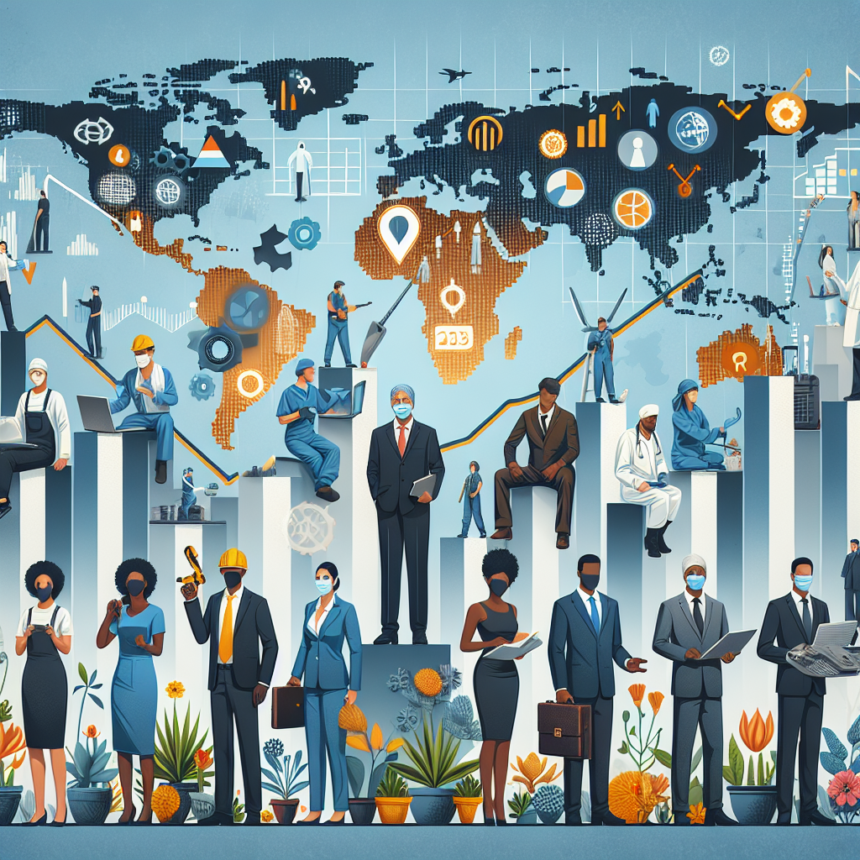
Global Labor Market Trends: The Post-Pandemic Workforce Landscape
The COVID-19 pandemic has irrevocably altered the global labor market landscape. As countries recover from the effects of the health crisis, striking trends are reshaping the workforce’s dynamic. Understanding these changes is crucial for employers, job seekers, and policymakers to navigate this new terrain effectively.
Remote Work Revolution
One of the most profound changes in the post-pandemic workforce is the widespread acceptance of remote work. Initially a necessity during lockdowns, telecommuting has now become a preferred work model for many companies and employees alike. According to a survey by McKinsey, over 50% of employees expressed a desire to work remotely at least part of the time.
This shift carries various advantages, such as improved work-life balance, increased productivity, and expanded talent pools. Organizations are now able to hire from a global workforce, breaking geographical barriers. However, it is crucial to address challenges like maintaining corporate culture, ensuring employee engagement, and equipping teams with the necessary technology to work remotely.
The Rise of the Gig Economy
The gig economy has surged in popularity as many workers seek flexible job opportunities. Freelancing, part-time contracts, and project-based work have enabled individuals to diversify their income sources and regain control over their professional lives. This trend has been particularly appealing to younger generations who prioritize flexibility and autonomy over traditional job security.
However, with the rise of gig work comes the accompanying challenge of worker benefits and protections. As more people turn to gig platforms like Uber, Upwork, and Fiverr, discussions surrounding fair wages, health benefits, and social security for gig workers have garnered significant attention from policymakers worldwide.
Focus on Well-Being and Employee Experience
The pandemic has heightened awareness of mental health and wellness in the workplace. Employers are now prioritizing employee well-being as part of their company culture. Initiatives such as mental health days, wellness programs, and employee assistance programs (EAPs) are becoming mainstream.
Moreover, organizations recognize that a positive employee experience fosters engagement and loyalty. Companies are investing in training and professional development opportunities, ensuring their workforce evolves with changing market demands. By acknowledging and addressing employee concerns, businesses can create a more productive and sustainable work environment.
Skills and Continuous Learning
As the global economy transitions into a digital-first era, the demand for skilled workers has never been higher. The World Economic Forum’s Future of Jobs Report estimates that by 2025, 97 million new roles may emerge, driven by advancements in technology and automation. This situation poses both a challenge and an opportunity: workers must continuously adapt and upgrade their skills.
Skills such as data analysis, coding, and digital marketing are in high demand, pushing organizations to invest heavily in training programs. Online learning platforms, like Coursera and LinkedIn Learning, have seen exponential growth, empowering individuals to acquire necessary competencies flexibly and conveniently.
Diversity and Inclusion
The pandemic underscored the importance of diversity and inclusion in the workplace. Companies have been pressed to rethink their hiring practices and foster environments that support diverse talent. Diverse teams not only bring varied perspectives but also enable organizations to tap into broader market insights.
Employers are increasingly focusing on building inclusive cultures that promote equity and address systemic biases. Strategies such as blind recruitment processes, mentorship programs, and diversity training are essential for embedding inclusion into the organizational fabric.
Future of Work
Looking ahead, the workforce will continue to evolve, influenced by innovations like artificial intelligence, robotics, and the remote work phenomenon. As businesses adapt, trends such as hybrid work models and increased reliance on technology will likely dominate. Employers will need to foster a culture of adaptability and continuous learning to maintain a competitive edge.
Policymakers will also play a critical role in the future of work. As the economy shifts, regulations surrounding labor rights, benefits, and protections for gig workers and full-time employees will be pivotal in safeguarding workers’ well-being.
FAQs
1. What are the major trends in the global labor market post-pandemic?
- Major trends include the rise of remote work, the gig economy, a focus on employee well-being, the necessity for continuous learning, and enhanced diversity and inclusion efforts.
2. How has remote work impacted employee productivity?
- Many studies indicated that remote work can increase productivity, primarily due to reduced commuting times and a more comfortable working environment, although it can also lead to challenges in communication and collaboration.
3. What skills are most in demand in the post-pandemic workforce?
- High-demand skills include data analysis, digital marketing, coding, soft skills like adaptability and communication, and expertise in emerging technologies.
4. How can businesses support employee well-being effectively?
- Businesses can support well-being through mental health initiatives, flexible working arrangements, wellness programs, and fostering open communication about mental health and work-life balance.
5. What role do policymakers play in shaping the future of work?
- Policymakers influence labor rights, protections for gig workers, and create regulations that ensure equitable treatment and welfare for all types of workers.
Understanding these trends is essential for a successful transition into the new workforce landscape that has emerged in the aftermath of the COVID-19 pandemic. By staying informed and adaptive, both employers and employees can navigate this evolving environment effectively.